

Dear Mama,
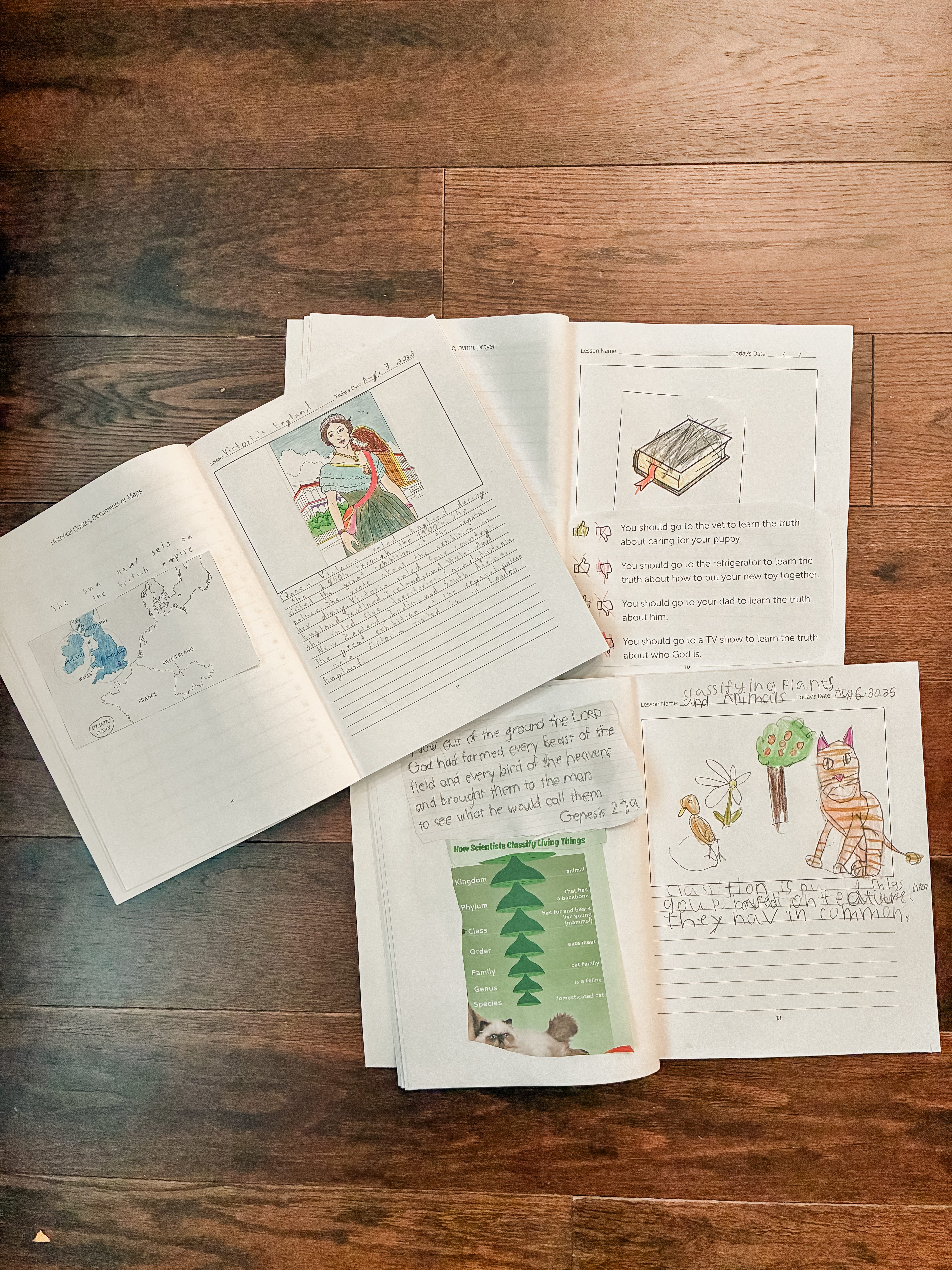
Narrating is the art of retelling what you learned. This is a skill that is natural to us. Think about how children recall a movie they watched and even recite their favorite lines.
Today, I want to share with you ten different ways students can narrate.
Orally: Have the child retell you what happened in conversation form.
Narration paragraph: who, what, when, where, why, how
Acrostic poem: This is where the first letter of each line spells a word. Each line summarizes the most important information about the lesson.
Haiku: A haiku captures the emotion and idea of the lesson and does not have to rhyme.
Line 1: Phrase contains five syllables
Line 2: Phrase contains seven syllables
Line 3: Phrase contains five syllables
Five important things: Write a summary of the lesson using the following format.
The most important thing about ___________________ is ______________ .
It _______________________________________________________________.
It _______________________________________________________________.
It _______________________________________________________________.
But the most important thing about __________________ is _____________.
Song rewrite: Using any melody, rewrite the lyrics by including information about the topic. Write at least tow verse and a chorus.
Newspaper article: The newspaper article includes a headline (short and to the point), a picture hand-drawn, created on Canva, or printed straight from the Internet. Write an article explaining the event, including: who, what, where, when, how, and why.
Bio poem: After learning about a person, write a ten line poem about the person in the following format:
Line 1 - Name
Line 2 - Three traits
Line 3 - He/she is from
Line 4 - He/she cares deeply about…
Line 5 - He/she gives
Line 6 - three traits
Line 7 - He/she fears
Line 8 - He/she would like to see
Line 9 - He/she is remembered for
Line 10 Name, years of life
Original speech: Write a persuasive speech as to why a certain topic is the correct one.
Diary entry: Write as a person living in the past. The diary entry should include two factual pieces of infomraiton, detailed descriptions of what people looked like, smells, how they probably felt, and a date.
Mixing up your students’ narrations will keep narrating interesting and fresh.
Do these ideas help?
Warmly,
Mirley
Stuff I Like:
Follow me on Instagram for more tips on notebooking, mother culture, and homeschooling.
Explore my Notebooking Catalog for interactive notebooks, exam books, and more tools that I have created for mother-teachers.
Explore my Amazon Storefront for my favorite books and homeschool
resources.
Join A Gentle Feast for a smooth, stress-free school year.
Shop at Toups & Co and receive $10 off your first $50 purchase.